
iShares China Large-Cap ETF 介紹
這是iShares 發行 投資中國股市的ETF
追蹤的指數是FTSE China 25 index
持有的股票51%是金融業
每年的管理費用 0.74%
iShares China Large-Cap ETF 介紹
這是iShares 發行 投資中國股市的ETF
追蹤的指數是FTSE China 25 index
影響匯率的因素很多 長期主要跟各國的經濟情況相連結
美國幾次的貨幣的貨幣寬鬆政策 美元走弱是正常的走勢 各國央行只能在波動過於激烈時做適度調整
除開人民幣長期還有往上走的潛力 其他各國尤其是台幣跟韓圜未來走勢比較可能是維持在區間波動
全球的利率目前是低檔 美國的FED主席柏南克已經宣布寬鬆貨幣政策將要結束
如果美國經濟穩定復甦 美元可能走升 但最高約在35元左右
各種不同股票 會對各種不同因素 作出上漲下跌反應 這篇文章舉出一些例子
On Bird Flu, Avoid Flocking
An outbreak of bird flu in China is playing out in the markets as predictably as a pandemic disaster movie. It starts with a few coughs, moves on to scientists in anticontamination suits and, finally, there is panic. In the movies, though, catastrophe is usually averted.
Chinese investors aren't straying too far from the plot. Bird-flu fears were first raised early last week. By Monday evening, authorities said there had been 24 cases of the H7N9 strain of avian flu, including seven deaths, in Shanghai and the surrounding provinces.
Those numbers are small, and, important, there is no evidence that the H7N9 strain can be transmitted between humans. Still, the markets have reacted strongly, with some Chinese stocks sharply lower. On Monday, Air China's Shanghai shares fell 3.4%, while department-store operator Parkson Retail Group fell 3.6% in Hong Kong.
黃金是一種避險商品,傳統上經濟情況越不好,黃金的價格越高。
近五年來黃金從2012年達到1900美元左右後開始盤整,目前約收在1600美元左右。
要買賣黃金,除了直接買金條外,國外有一隻黃金的ETF,在2012年的時候曾經成為全球最大的交易所買賣基金,跟買賣實體黃金比起來,不用負擔保管費用,買賣跟一般的基金一樣,手續便利,是投資黃金的好方法。
SPDR Gold Trust (ETF) (NYSEARCA:GLD),在紐約交易所代號是GLD,可以在FirstTrade,等線上交易商購買。
根據Google,Finance的基金描述如下:
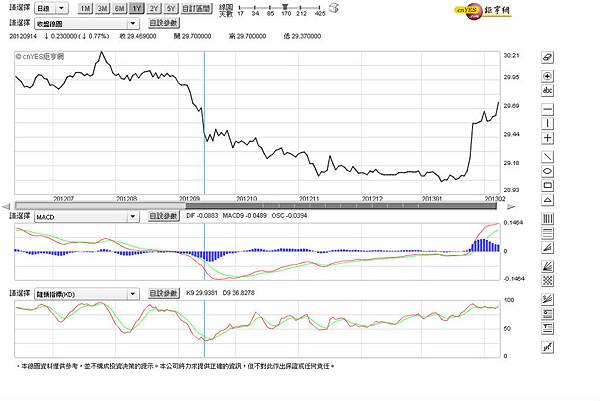
目前匯市關注幾個焦點,美國的貨幣寬鬆政策,歐洲的歐元穩定,日本的日幣貶值政策
美國目前的重點是在就業率的回升,柏南克的說法,在就業率回升之前,美國都將持續寬鬆貨幣政策,超低的美元利率最少將維持到2014年
歐洲目前看來已走出低潮,原先擔心歐元解體的資金已回到歐洲,使得歐元近期回升
日本則為了出口產業,引導日圓走低
會改變均勢的新變數,是美國經濟的回升,一旦回暖,低利率政策就會結束,美元應會再度走強
雇主計算健保一般保險費是以營利所得為投保金額,原則上都是以十八萬兩千元投保。
主要節費方法有兩種。
第一種,提高雇主的薪資所得,因為雇主計算一般保險費的基礎是營利所得,而非薪資所得,如果提高雇主薪資,降低股利,對雇主來說所得沒有減少,但是健保費就可以降低。
第二種,舉證降低投保金額,只要是國稅局認可的文件,如扣繳憑單,所得稅申報書,都可以用來舉證。
有一種特殊情況,如果公司剛成立,尚未開扣繳憑單,這時可以向健保局拿一種切結書,填寫之後,寄給健保局,內容聲明每個月營利所得沒有到十八萬兩千元,這樣就可以降低投保金額。
公司雇用派遣員工是希望能降低人事成本,原來應該由公司負擔的勞健保成本,都可以轉到派遣公司
但是二代健保實施之後,受雇的被保險人之投保單位,每月支付薪資所得總額逾其受雇者當月投保金額總額時,應按其差額照比率計算應負擔之補充保險費,按月繳納,所以公司就要代扣2%的補充保費
應該如何才能避掉這筆保費呢?
公司跟派遣公司簽約的時候規定付給派遣員工的薪資,直接付給派遣公司,由派遣公司發放給派遣員工,如此一來,這筆薪資可以作為費用,而不需要用薪資支出出帳,也就不需要代扣補充保費了
二代健保即將上路,有六類所得都將被扣2%補充保險費
但是如果你是下列兩種身分,就不需被扣2%保險費
像是長期住在國外,返國後六個月內,是不能參加健保的
還有像是低收入戶
舉其中一種可能會被先扣但是本人卻沒有留意的所得為例
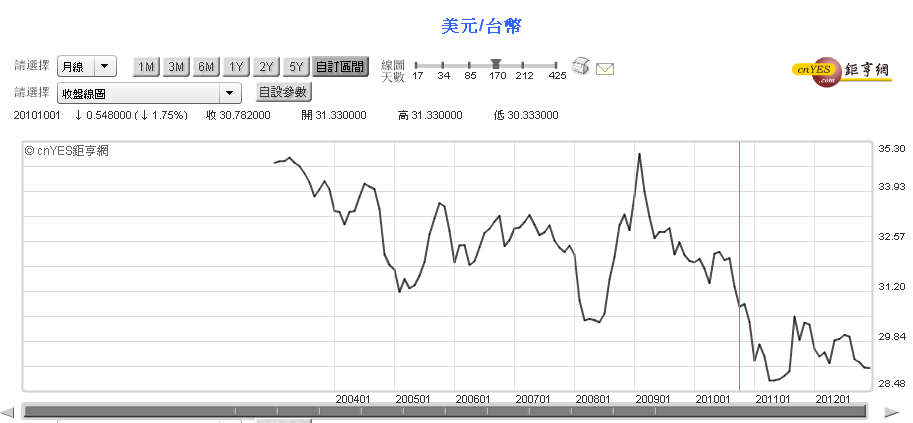
美元跟台幣的匯率從2008年底 2009年初雷曼兄弟事件後就一路往下反映了美國經濟在這段期間的停滯
目前美國聯準會已經宣佈將會維持低利率政策一直到2014年目的當然是在提振景氣
這對匯率來說算是利空可是並沒有下跌表示市場對目前匯率的認同
我認為目前的匯率已經到了低點再下跌可能性不高隨著美國經濟恢復成長匯率應會逐步走升

管 巨额资产的财富管理者正在对投资者发出警告,他们引用了圣经中的一句话:“七年饥荒。”(Seven lean years.) 直到2016年,美国经济才会复苏,这是GMO投资公司董事长杰里米•格兰瑟姆(Jeremy Grantham)几年前就说过的话,GMO公司管理的资产规模达到1040亿美元。
今天華爾街日報頭條 就是不太好的消息 我覺得這還蠻正常的 如果沒有新一波創新刺激富人的消費慾望 開發國家會長期低增長 像是日本一樣
全球化的結果就是這樣 經濟本來就是一個循環 看過經濟學的人應該還記得那個大圓圈 全球化讓富有國家的工作機會流入開發中國家 問題是沒有工作的人 就沒有所得 就算東西做的再便宜 沒所得還是買不起
以投資方向來說 新興國家的所得還是會持續增長 雖然波動難免 富有國家的股市會像日本一樣 突破不了新高點 有可能會維持住 因為各國財政部門會想盡辦法維持住這個富人的賭場 讓經濟還有動能

是 一个悲剧:米尔顿•弗里德曼(Milton Friedman)在1912年7月31日出生,但他没能长命百岁活到今天,来对构成奥巴马经济(Obamanomics)核心价值观的“大政府”理念进 行抨击。也许更为悲剧的是,我们的现任总统奥巴马在弗里德曼执教数十年的芝加哥大学(University of Chicago)毕业,却从未受到这位捍卫自由市场理念的全世界最伟大领军人物的半点感召,否则的话,我想奥巴马和美国的日子都会好过得多。
弗里德曼一直在经济学界有着重要的影响力,直到他于2006年去世,享年94岁。如果他还在世,他肯定会强烈质疑现如今美国政府为促进经济增长推出的五万亿美元支出和发债扩张计划,并揭下那帮嚷嚷着还要进一步强化刺激政策的经济学蠢货们的遮羞布。
20 世纪60年代,弗里德曼说了那句名言:“天下没有免费的午餐”(there's no such thing as a free lunch)。如果政府花掉一美元,这一美元肯定来自于私有经济中的产出者和劳动者,不存在所谓的把高产能彼得的一美元交给低产能保罗所带来的神奇“乘数 效应”。这个道理看起来显而易见,却不断受到挑战和测试,而奥巴马经济可能是美国有史以来“免费午餐经济学”各类尝试中代价最为昂贵的一个。
同 样不合逻辑的是一种近乎迷信的观点,认为政府可以通过让美联储(Federal Reserve)主席本•贝南克(Ben Bernanke)印刷更多的美元来创造经济繁荣。弗里德曼证明,在很短一个时期,过量的货币供应会蒙蔽人们的双眼,制造出一个经济繁荣的幻觉,但市场很 快就会苏醒过来进行调整,经济产出并未增加,只会带来更高的物价。
